The Gendarmerie is an armed force made up of around 98,000 women and men. It is a military institution dedicated to guaranteeing peace and security. Within the Gendarmerie there are various ranks representing the different levels in the military hierarchy. This hierarchy is essential to the smooth running of the Gendarmerie and to the proper organization of the institution. Discover everything you need to know about the various ranks in the Gendarmerie, the honors awarded and the specific features of this career.
The different ranks of the Gendarmerie
In the past, the Gendarmerie was known as the Maréchaussée, an institution whose hierarchy was organized by the royal ordinance of 28 April 1778. In 1791, the Maréchaussée became the Gendarmerie, and the term “cavalier” became the term “gendarme” that we know today. A decree on the organization and service of the Gendarmerie was issued in 1903, making it possible to distinguish between the ranks within the Gendarmerie.
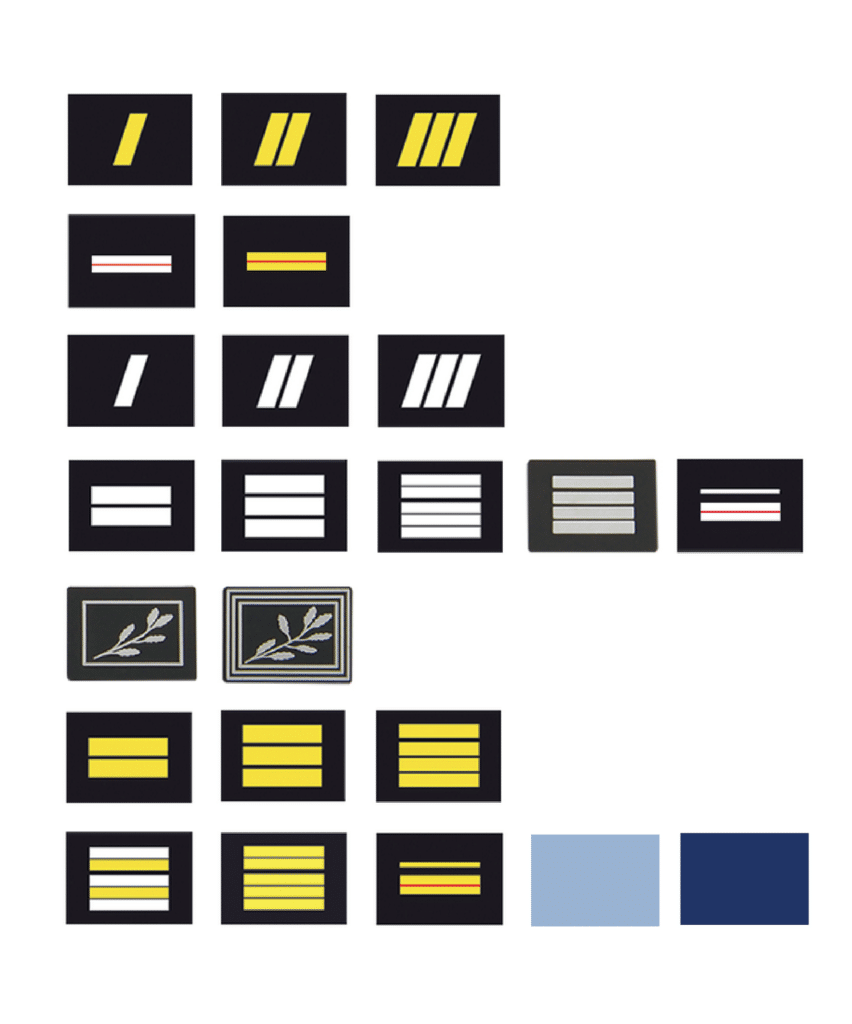
To identify a gendarme’s rank, you need to look at the stripe worn on the jacket. The stripe is a thick woven strip of fabric used as an ornament.
Cadets
A gendarme cadet does not hold a rank as such. It is a designation for a gendarme in training. Cadets are between 18 and 36 years old and are selected through competitive examinations. Gendarme training takes place in one of the 5 schools in France, located in:
-
-
- Dijon;
- Montluçon;
- Châteaulin;
- Tulle;
- Chaumont.
-
Volunteer Assistant Gendarmes
Volunteer assistant gendarmes, also known as GAVs, are 2nd class assistant gendarmes. Their role is to assist the non-commissioned officers and act as their partner.
They have the opportunity to take part in every mission carried out by the Gendarmerie. From road safety to criminal investigations, GAVs must have a sense of duty, discipline and public service, as well as good physical and psychological fitness.
A GAV is given a 2-year contract, renewable for 3 years and then 1 additional year, and holds military status. They are therefore subject to the general disciplinary regulations of the armed forces: rules relating to discipline and respect for the hierarchy. They are also bound by a duty of discretion and professional confidentiality.
Junior non-commissioned officers
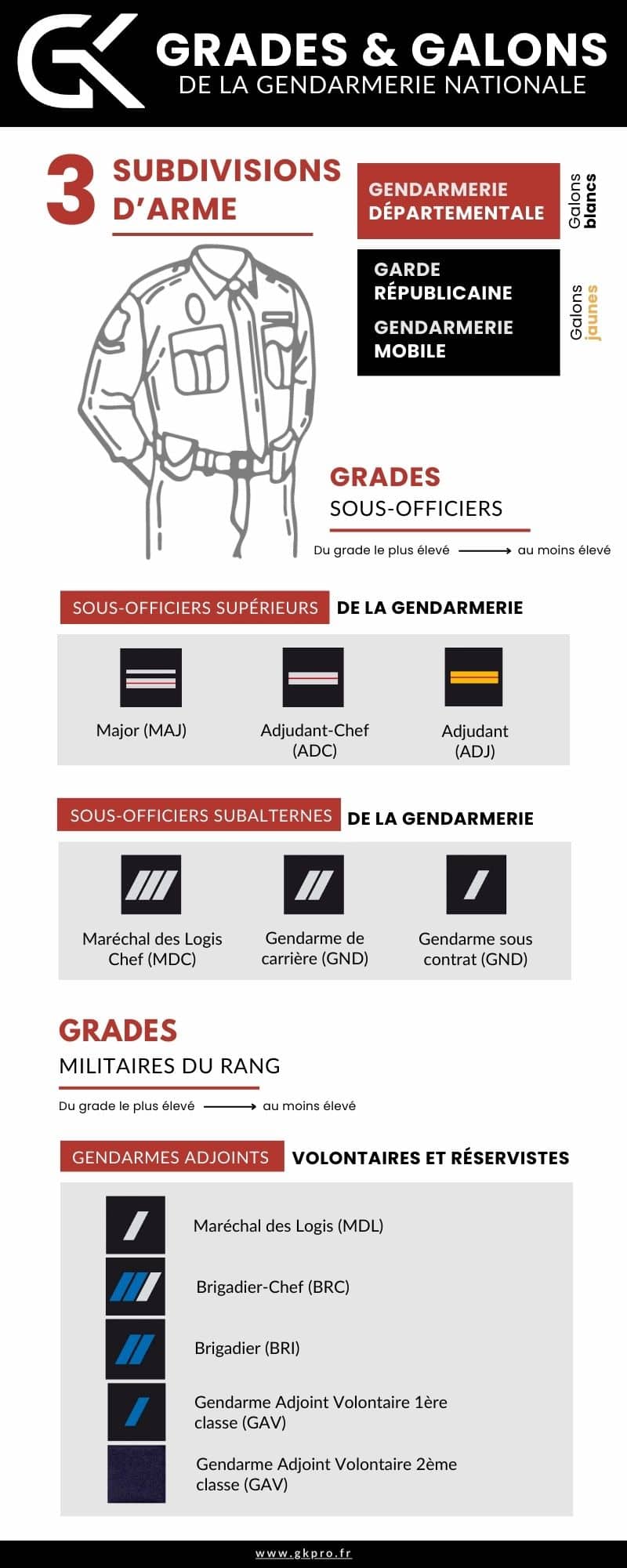
The junior non-commissioned officer ranks comprise 3 levels: contract gendarme, career gendarme and lastly Maréchal des Logis-Chef. They belong to the non-commissioned officer corps.
The role of junior non-commissioned officers is to direct and coordinate the various activities of the National Gendarmerie placed under their authority. They must also implement the decisions taken by their superiors, in particular senior non-commissioned officers. They may also serve as technicians within the Gendarmerie.
Senior non-commissioned officers
The senior non-commissioned officer ranks include Adjudant, Adjudant-Chef and lastly Major. They have the same role as junior non-commissioned officers, but rank higher in the hierarchy. They serve under the orders of the generals and officers.
Junior officers
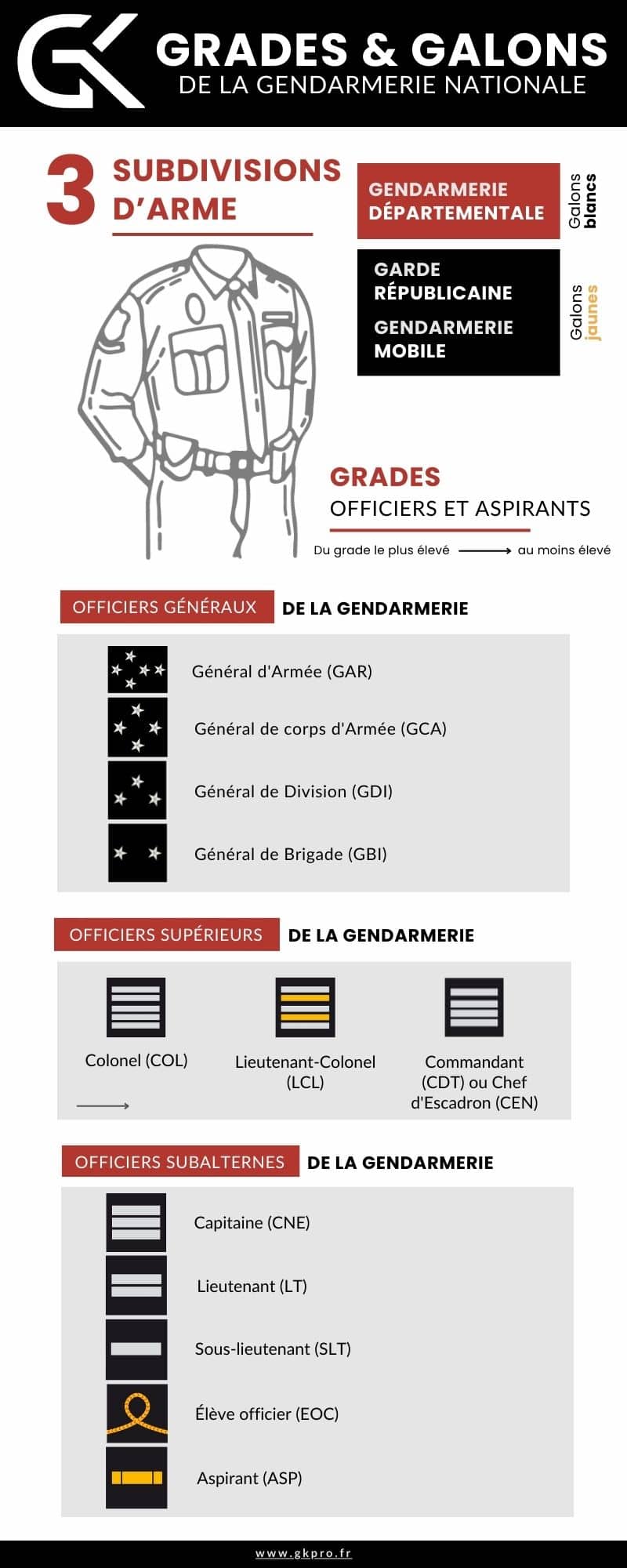
The junior officer ranks are, from the highest to the lowest in the hierarchy, captain, lieutenant, second lieutenant and officer cadet. Their role is to command non-commissioned officers and enlisted personnel.
In hierarchical terms, junior officers rank above non-commissioned officers, but they must show respect for senior officers.
Senior officers
Colonel, lieutenant-colonel and squadron leader are ranks belonging to the senior officers.
As a team manager, the Gendarmerie officer is an operational decision-maker in the field of security who puts their skills at the service of the public.
With a keen sense of adaptability and great availability, the Gendarmerie officer is a key contact for administrative and judicial authorities, elected representatives and economic stakeholders at local level.
Generals
Generals, or general officers, are the highest category of ranks in a National Gendarmerie career. There are 4 categories of general:
-
-
- Brigadier general;
- Major general;
- Lieutenant general;
- General of the army.
-
They can be recognized by the stars embroidered on their stripes, ranging from 2 stars for a brigadier general to 5 stars for a general of the army.
The general is a military leader at the top of the hierarchy. They organize and manage the military personnel under their command while ensuring that the values and objectives of the National Gendarmerie are respected.
Women’s ranks in the Gendarmerie
In 1983, a decree finally allowed women to join the non-commissioned officer and officer corps of the Gendarmerie. In 1998, recruitment quotas were abolished. Since then, around 16.6% of military personnel have been women, and Gendarmerie roles and specialties are increasingly held by women.
Women’s ranks in the Gendarmerie are therefore the same today as men’s ranks. A woman can become a general, just like a man.
Gendarmes are addressed by their rank, and the terms do not differ according to gender. Apart from the form of address “Mon Adjudante”, for example, where “Mon” means “Monsieur le”, a woman will be addressed solely by her rank, i.e. “Adjudante”.
Honors and decorations
By pursuing a career in the National Gendarmerie, you may potentially receive an honorary distinction. These honors and decorations are intended to reward actions and services rendered. They also aim to commend an individual’s outstanding conduct.
It is possible to earn various medals during a career in the Gendarmerie, depending on rank and achievements. These include:
-
-
- The Legion of Honour;
- The National Order of Merit;
- The Order of Academic Palms;
- The Order of Agricultural Merit;
- The Order of Arts and Letters;
- Medals of honor.
-
The highest distinction is the Legion of Honour, a civil and military award created on 19 May 1802.
What career opportunities are there within the Gendarmerie?
Gendarmes have the opportunity to specialize throughout their career. They may also choose to move into the private sector or retrain in another line of work.
The advantage of a career in the Gendarmerie is that it is possible to progress throughout your professional life. The various ranks are an essential part of how the National Gendarmerie operates and is organized. Promotions may be accompanied by changes of assignment, access to more rewarding positions, and also an increase in pay.
Within the ranks there are pay grades. Gendarmes can be promoted to the next grade based on seniority. This progression is automatic as soon as all the conditions are met.
It is also possible to apply for promotion to the next rank without climbing through the various grades. However, certain conditions must be met. Gendarmes who meet these conditions are eligible for promotion.
For volunteer assistant gendarmes
It is possible to become a GAV without any qualifications, through a selection process and an interview. You must be at least 17 and under 26, have completed your JDC (Defense and Citizenship Day) and be a French citizen. Assistant gendarme cadets receive training before being awarded a diploma.
A Volunteer Assistant Gendarme, or GAV, first signs a 2-year contract, which can be renewed for 3 years and 1 additional year. This rank is not really considered a career. However, the GAV can take internal competitive examinations if they wish to become a Gendarmerie non-commissioned officer. They can also join the administrative and technical support corps.
For non-commissioned officers
The first level of the non-commissioned officer ranks is open to holders of the baccalauréat or an equivalent qualification, to GAVs, to military personnel and to Gendarmerie reservists.
The first step is to sit a competitive examination; once successful, candidates must complete training at a school lasting 7 to 12 months, supplemented by a placement in a unit.
After this training, non-commissioned officers are immediately under contract and may be assigned to the field. For 2 years, the non-commissioned officer must prepare a CAT (Technical Aptitude Certificate) in order to become a career gendarme and thus continue their career.
The gendarme can then prepare for the Judicial Police Officer diploma (Departmental Gendarmerie) or the Arm diploma (Mobile Gendarmerie and Republican Guard). These provide access to the higher rank of Maréchal des Logis-Chef and to further promotions throughout their career.
For officers
Once the non-commissioned officer ranks have been reached, and after a few years of service, gendarmes can be promoted automatically. As with non-commissioned officers, promotion to the next rank depends on seniority.
In the case of a gendarme eligible for promotion, their promotion file is reviewed by a commission. This review is sent to the Minister of the Interior, who publishes a decree announcing the promoted gendarmes.
The different specialties of the Gendarmerie
Gendarmes can specialize during their career. They can join intervention units such as the GIGN, the Gendarmerie’s elite group, or specialize in different fields such as road safety, the judicial police and many others. As a result, you will find motorcyclists, mounted troopers, divers, dog handlers, helicopter pilots, musicians and more.
It is also possible to transfer to another service, in order to join the National Police, the Municipal Police, the army or a civilian institution.
Finally, a gendarme may choose to leave the public sector to join the private sector. Thanks to the various skills acquired during their career, a gendarme can become a bodyguard or a Private Investigator.
How do you join the Gendarmerie?
If you want to become a gendarme, you can join the institution and embark on an operational career, choosing from various levels of recruitment.
If you have no qualifications, you can be trained as an assistant gendarme. You can also join the Gendarmerie as a reservist. The reservist gendarme takes part in various missions while continuing to work in civilian life. This can be the starting point before beginning a career in the National Gendarmerie.
After the baccalauréat and with one year of training, you can become a non-commissioned officer, and with a master’s degree and 2 years of training at the EOGN in Melun, the National Gendarmerie Officers’ School, you can become an officer.
The requirements for joining the Gendarmerie: you must be a French national and have completed your JAPD or JDC. You must hold a baccalauréat or a similar qualification. That’s not all: you must be at least 18 and no older than 35.
A gendarme must be in good physical condition and good psychological health. They devote their life to carrying out missions on a daily basis, maintaining order and taking part in the defense of our Nation. They must show composure and humanity, and know how to manage stress and crisis situations.
The differences between the Gendarmerie and the National Police
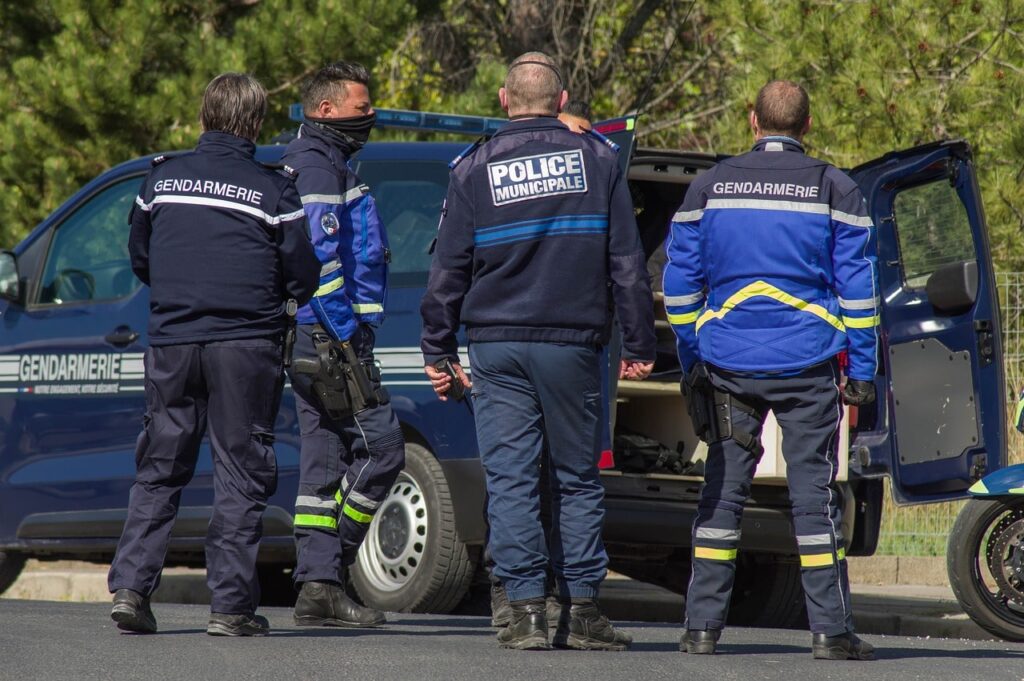
Police officers and gendarmes share the same code of ethics; they carry out the same missions in the same areas of jurisdiction. However, the police mainly work in urban areas. The Gendarmerie operates in peri-urban areas, in medium-sized towns and rural locations.
The main difference between the Gendarmerie and the National Police lies in their territorial jurisdiction. National police officers have civil servant status and may join a union, whereas the gendarme is a member of the military.
Conclusion
A career in the Gendarmerie means choosing a people-centered profession, rich in emotions and experiences throughout a lifetime. It has a complex but essential hierarchy that lies at the heart of how the Gendarmerie is organized. It is one of the professions offering the most opportunities for advancement, thanks in particular to the many ranks in the hierarchy. It is also a profession open to everyone, provided you meet certain criteria and give yourself the means to pass the various competitive examinations.
GK essentials:
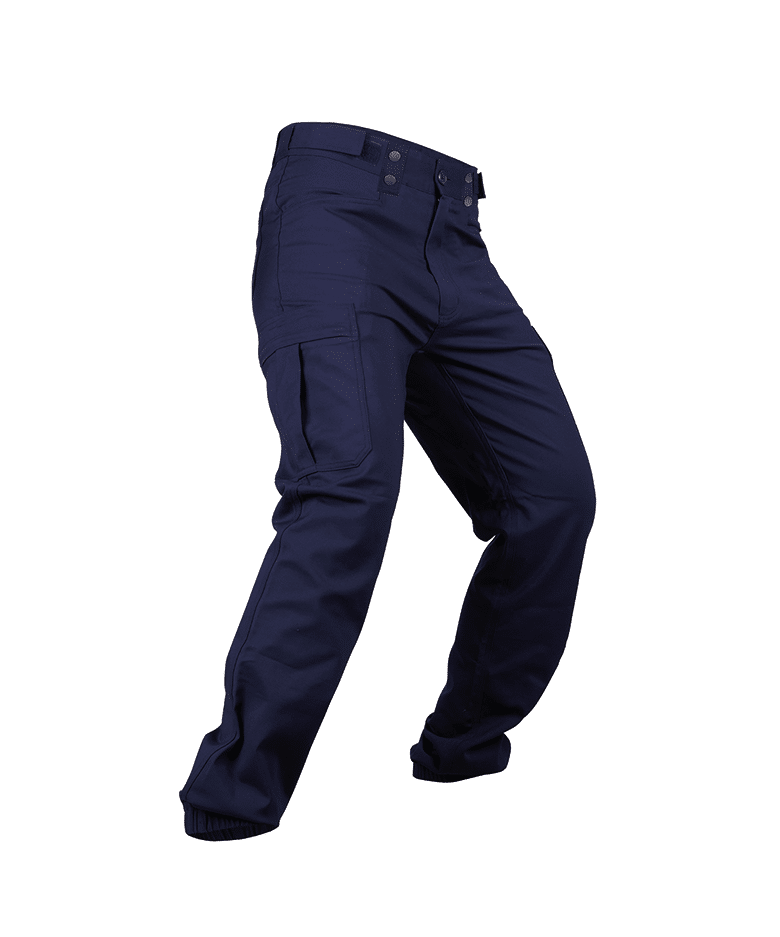

FDO duty pants
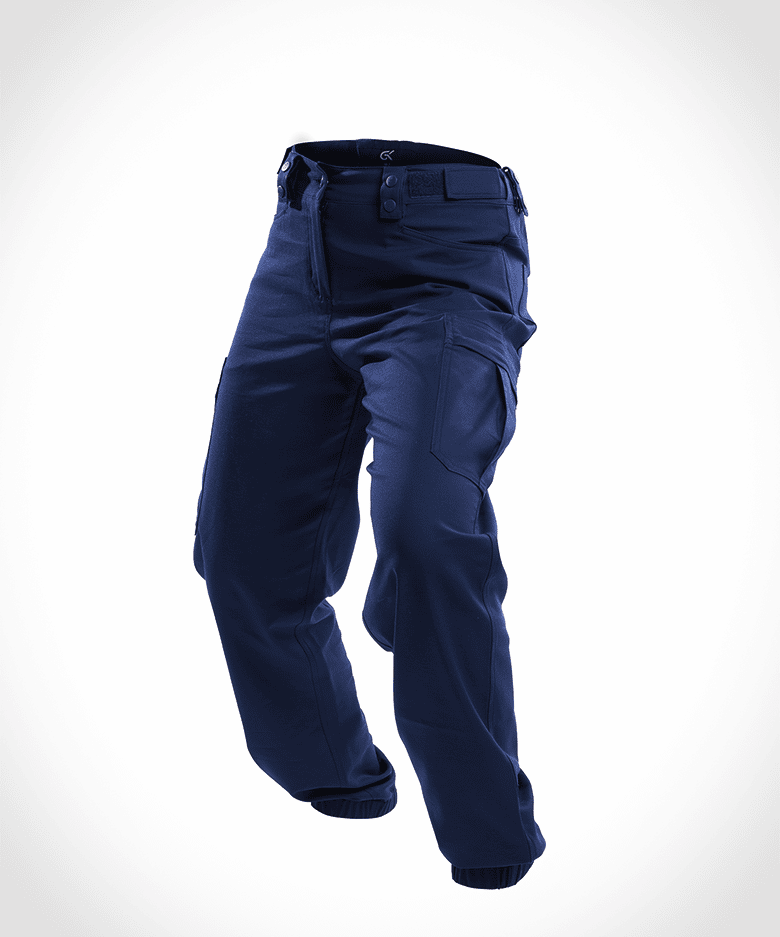
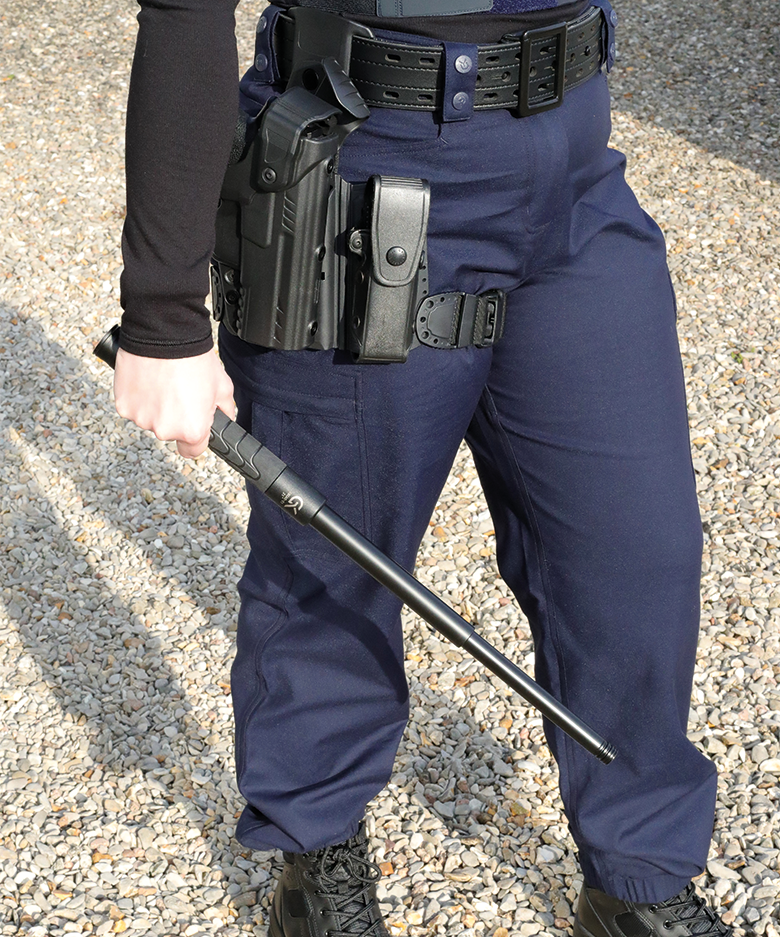
FDO Women's Duty Pants
€59.00
Select options