
In France, law enforcement plays an essential role in maintaining public safety. One of the first things you notice about patrol officers is their distinctive uniform.
The TSO, or standard duty uniform, is the basic outfit worn by police officers on patrol. It includes a light blue shirt or polo with long or short sleeves, depending on the season, bearing the National Police patch, along with navy blue trousers. Officers also wear a black leather belt holding holsters for handcuffs and the telescopic baton, as well as black shoes. In this article, we will detail each component of this uniform, along with the essential equipment that goes with it.
Shirt or polo?
The shirt is not reserved for the highest ranks! The light blue shirt is in fact worn by police officers of various ranks and levels of seniority, especially those on patrol or standard duty. It is considered the basic uniform for many officers. A long-sleeved shirt or a short-sleeved polo can therefore be worn under the jacket and the ballistic vest. The shirt carries the insignia, patches or badges indicating the officer's rank and identification.
Trousers, a crucial choice
Essential to your daily routine, trousers play an important role in patrol missions. It is important to choose trousers that guarantee comfort and functionality over long periods. At GK, we developed the FDO duty trousers. Seemingly identical to standard-issue trousers, they nonetheless conceal many unrivalled advantages:
-
- We have eliminated any comfort issues by adding 2% stretch to the composition. This means no risk of restricted movement, and a minimized risk of tearing.
-
- The ergonomics of the trousers are ensured by their many easy-access pockets.
-
- We have integrated a waist adjustment and an adjustable elastic at the ankle for better adaptability.
-
- Our FDO trousers also come in a women's version, with a cut adapted to their build!
These features are essential to be ready to face a variety of situations while remaining comfortable and functional throughout your shift.
What about the coverall?
The tactical coverall is sometimes required in certain units, for specific operations.
Staying covered on patrol
Depending on the season, it may be essential to cover up during patrol missions. You need to be able to anticipate weather conditions as well as temperature variations.
For this, softshells are a pragmatic option: their stretch fabric gives them great freedom of movement, essential on patrol. Softshells are designed to effectively wick away body moisture, which makes them breathable. This means that sweat is drawn from the inside to the outside of the garment, helping to maintain a comfortable body temperature.
Softshell technology is not waterproof, but it will easily protect you against light rain as well as light to moderate winds while allowing better air circulation than waterproof jackets. In more extreme weather, its lightness and thinness allow it to be layered with other garments. They can be worn as an outer layer in mild weather or as a mid layer under a thicker jacket in cold weather.
During the colder months, police officers can wear a quilted jacket or a warmer jacket to protect themselves from the cold while remaining mobile. In winter or in harsh weather conditions, parkas or insulated coats are a must to protect against the cold.
The ballistic vest, indispensable
For obvious safety reasons, officers wear ballistic vests under or over their uniform. These vests provide protection against ballistic threats and help ensure the safety of officers on patrol.
In France, wearing a ballistic vest is mandatory for members of the National Police. This measure is intended to ensure the safety of officers during their missions.
On patrol, members of the French National Police generally wear ballistic vests rather than plate carriers. These are more discreet, lightweight and flexible. They give the officer more mobility. Designed to be worn directly against the skin for optimal discretion, it is not unusual to come across officers wearing covert vests visibly, particularly during the hottest months.
The belt and its equipment:
On patrol, the duty belt takes priority. Made of leather or cordura, the duty belt must be practical, quick to buckle and unbuckle, and compatible with your accessory pouches. With a width of 50 mm, it must slide easily through the loops of your trousers. It can also be attached directly to an inner belt to save time.
The duty belt is subjected to daily friction and knocks. Make sure you choose a durable and high-quality model that will serve you for several years of duty. At GK, our duty belts are designed to resist twisting and abrasion.
The primary role of the tactical duty belt is to carry various equipment such as handcuffs, the pistol, spare magazines, a flashlight, a telescopic baton, a communication radio and other accessories required for their work.
The choice of accessory pouch depends on your preference for the material (leather, cordura, injected plastic, neoprene), but also on the attachment system (snap fastener, MOLLE loop, lasercut loop, clip, etc.).
Keep in mind that on your patrol missions, safety comes first. Make sure you choose accessory pouches that are practical and ergonomic, but that also protect you from your equipment accidentally falling out or being stolen.
Identifiers, essential to being recognizable
On patrol, your role is to observe, keeping a close eye on your entire environment. But you must also be clearly identifiable to civilians and to other officers.
Here is the list of identifiers you must have on your uniform:
-
- The patch: can be worn on the shirt, the jacket or the cap.
-
- The service number: sewn or embroidered on the uniform. This number identifies each officer individually.
-
- The rank: indicated by insignia, epaulettes, stripes or specific patches on the uniform.
-
- The unit or department: Some uniforms may feature specific insignia, patches or bands indicating the unit or department to which the officer is assigned.
-
- Reflective bands: during night patrols, they often wear reflective bands to increase their visibility.
It is important to note that the exact identifiers on police uniforms may vary depending on the unit, the rank and the specific regulations of the French National Police. These identifiers are designed to allow quick recognition of officers and an understanding of their responsibilities and authority.
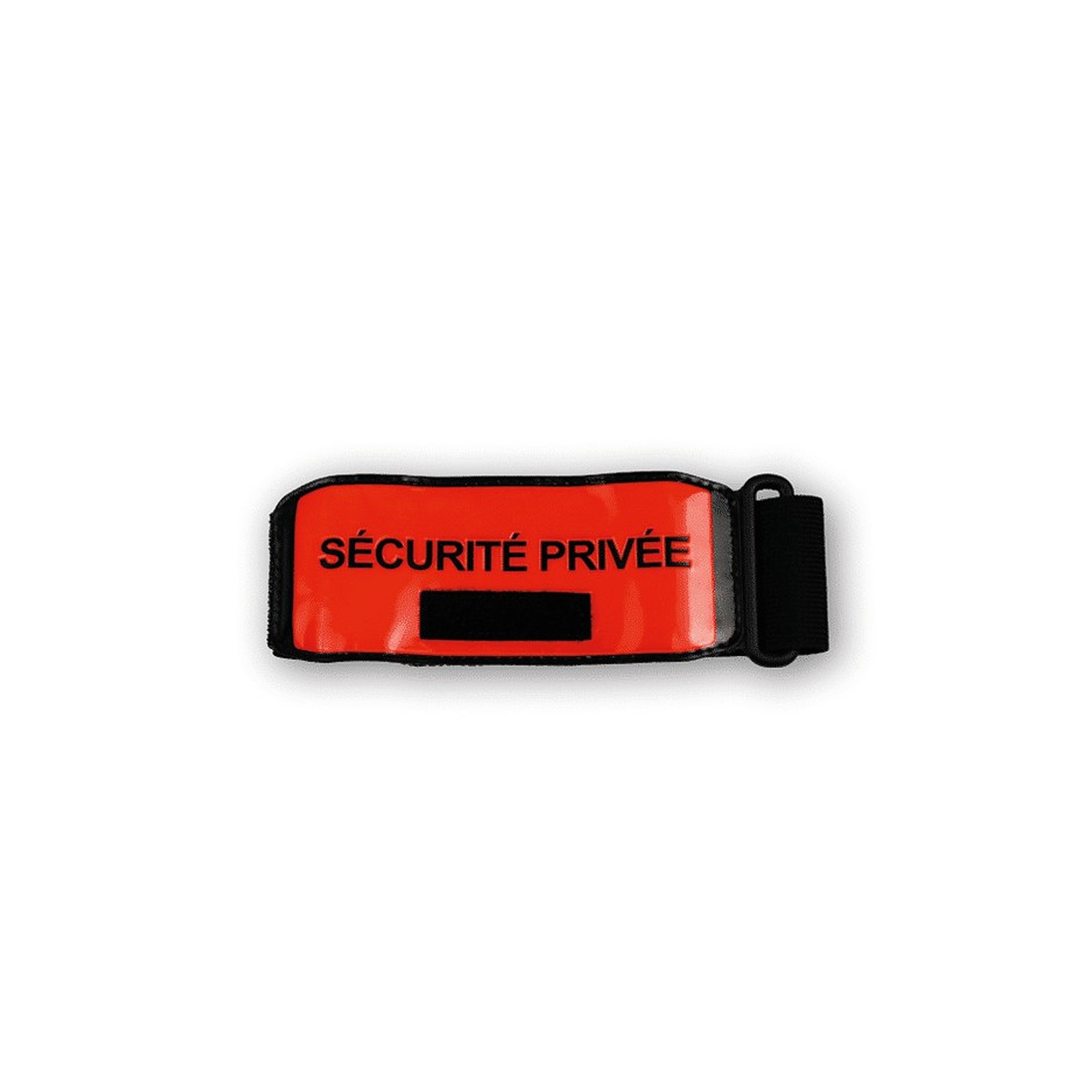
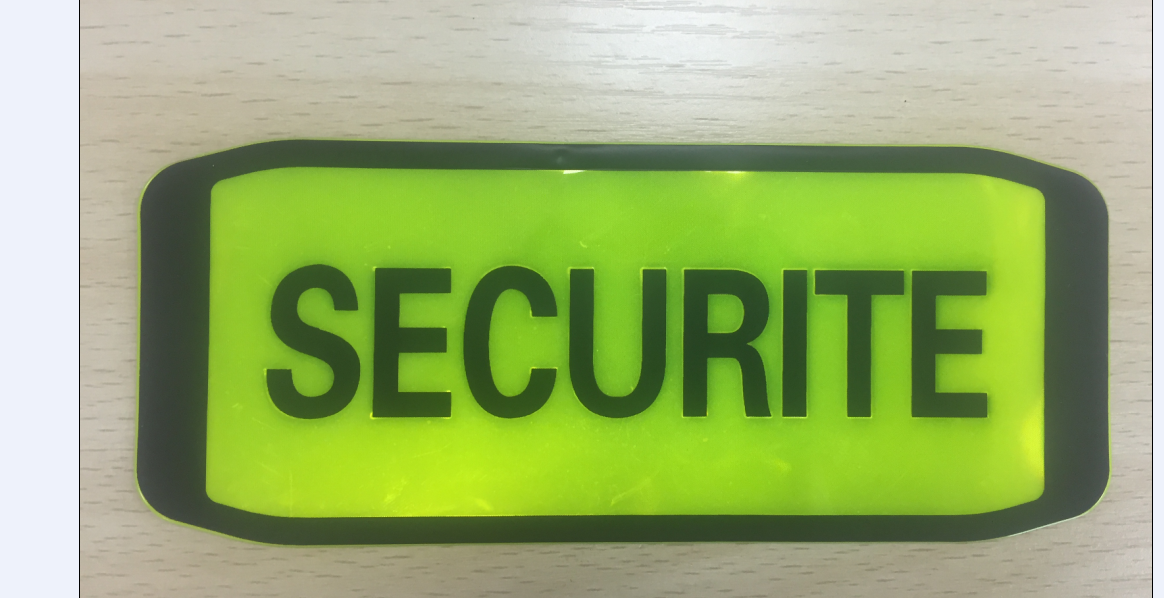
Retro-reflective security armband
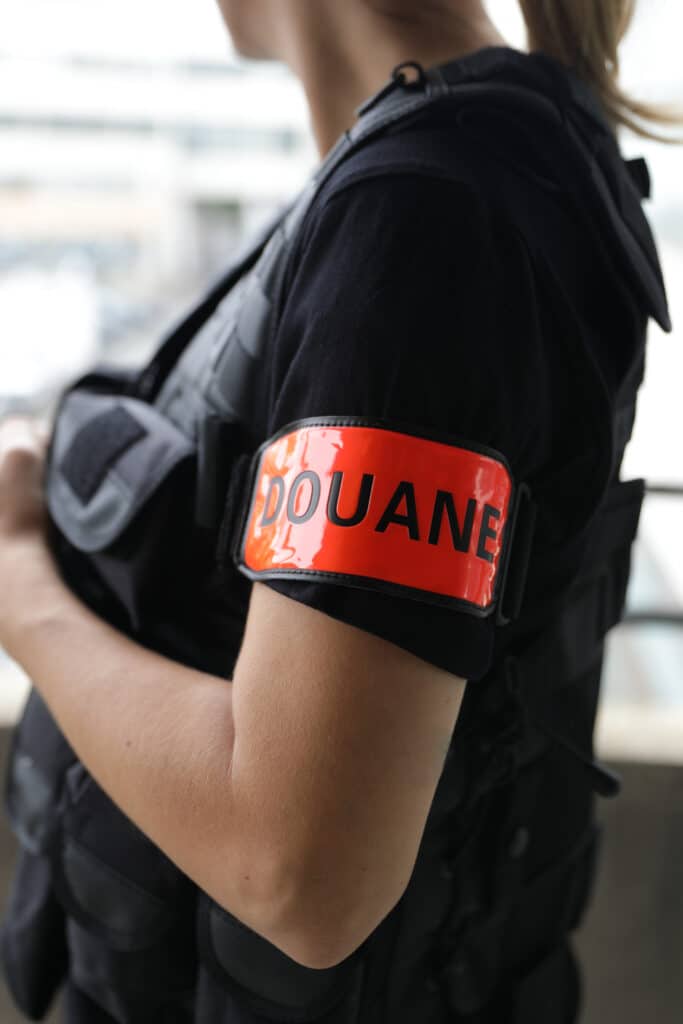
Retro-reflective Customs armband
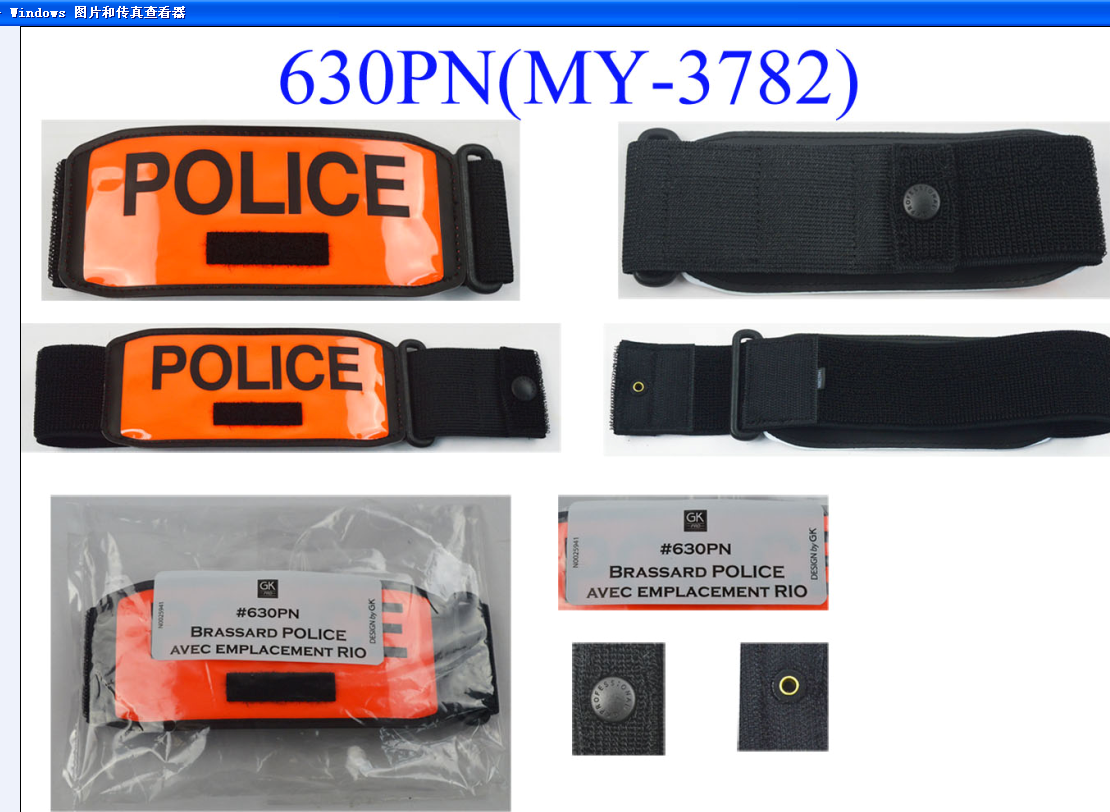
Retro-reflective police armband
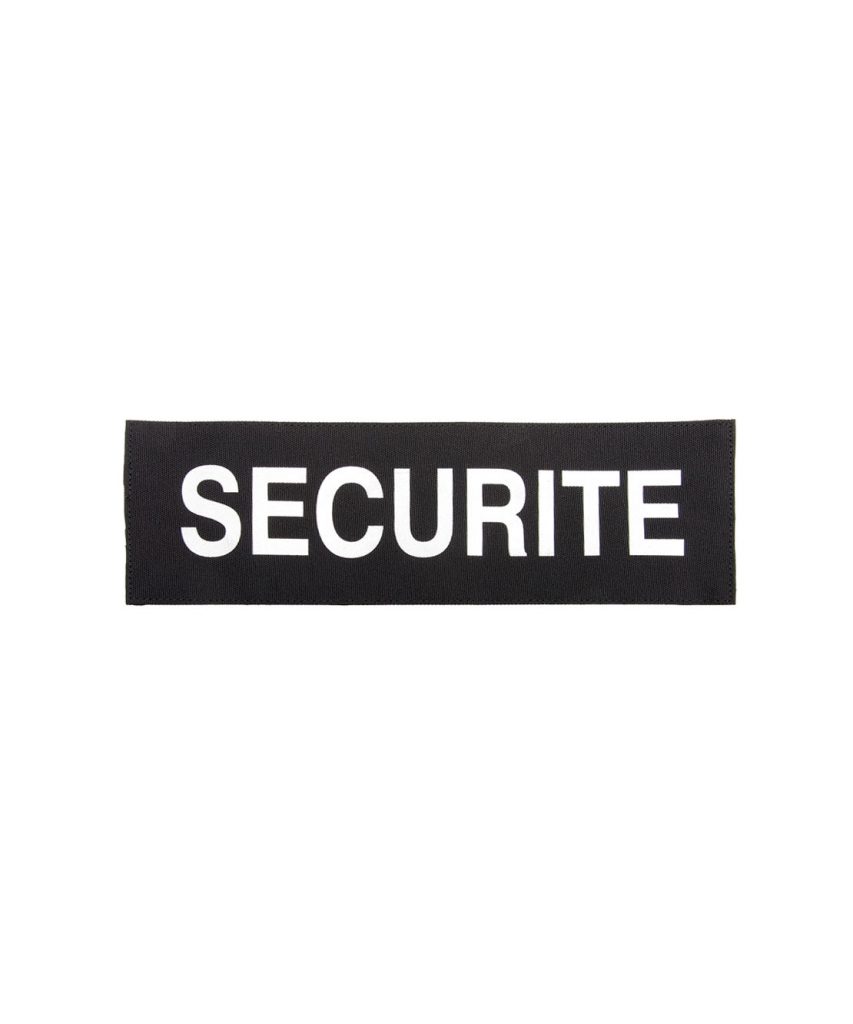
Retro-reflective security identification bands
Tactical footwear
The tactical footwear recommended for patrol missions varies according to the individual preferences of officers but also according to their unit's regulations (color, material). Above all, comfort is the priority. They must allow you to stay on your feet and on the move for long hours of duty. So opt for a lightweight, breathable model that wicks away moisture and keeps your feet comfortable.
Leather is the most common option, but new technical materials have been developed to make footwear lighter while maintaining its sturdiness. This is the case with the Spider range from Magnum, which uses a synthetic mesh that makes the footwear durable and resistant to daily wear.
Grip and stability are also key points to take into account. When making your purchase, look closely at the performance of the sole. It must provide solid grip to avoid slips and falls, particularly in unfavorable weather conditions.
Finally, if you operate in a region with a wet climate, it would be wise to opt for a model with a waterproof membrane, in order to keep your feet dry throughout your shift.
It is important to note that uniforms may vary depending on the officer's role, the weather, the local environment and the protocols in force. Law enforcement agencies generally seek to balance safety, professionalism and functionality in the design of their uniforms and patrol equipment.
Need advice on how to equip yourself? Discover our guides on equipment for covert missions and riot control equipment.