
In France today, a woman wearing a Police uniform is nothing surprising. Yet it took more than half a century to break down prejudice and change mindsets. After 70 years of struggle, female police officers wear the same uniform and hold the same authorizations as their male colleagues. This article looks back at the evolution of women's role in the Police, right down to the uniform…
Why did the Police take so long to open its doors to women?
Law enforcement generally opened its doors to women only gradually. The reason: the incompatibility between their status in society and the image of the Police.
Women without rights
In the 19th century, a woman was first and foremost a mother and a wife, or even an "ornament" in the wealthier classes. At that time, even though she worked in the fields and in textiles, a woman had no rights whatsoever. She was also required to dress as a woman, since an 1800 decree forbade her from wearing trousers without special authorization. It was not until 2013 that the Ministry of Women's Rights repealed this text.
Policing, a man's job
Women therefore held a role in complete contradiction with the job of police officer, which was reserved for men. Athletic and moral strength, courage, authority, firmness and self-control were the male qualities valued for riot control. In the course of their duties, law enforcement officers may have to use force and weapons.
Even the handling of weapons was an obstacle to the integration of female police officers. Legislation reserved their use for the Police and the army, two institutions open only to men.
After a tentative entry into the Police, women managed to shift the boundaries.
Tentative first steps in the Police
Odd jobs in the secretarial pool
The year 1893 marked the entry of women into the Police, by decision of the Prefect of the Seine, Edgar Monteil. Their role was to count coupons at the municipal cash desk… A career path far removed from the action and from men's jobs, the aim being to keep them off the street by entrusting them with small clerical tasks.
This precarious situation saw a slight improvement in 1914. That year, 12 typists were recruited by the Paris Prefecture. Women then held administrative support positions.
In 1918, they received the support of Prefect Louis Lépine, famous for his competition and behind the modernization of the Police. In favor of their integration into the civil service, he praised women's qualities: "Wherever women have replaced men since the war, they have shown greater diligence, greater orderliness, greater dedication […] Far from banning women's work, I ask that it be encouraged."
The first female police officers in France
Louis Lépine's message was heard by other prefects. It was not until 1934 that Police assistants appeared on the public highway, and 1935 for social inspectors.
In the course of their duties, these police officers wore an "unarmed" uniform consisting of a tunic with a patch, a long skirt, a hat and heeled loafers. This outfit later evolved with a handbag, white stockings and a scarf, to symbolize authority and femininity a little more.
These female police officers were assigned to missions that mirrored their role in the family and in society. Their role was therefore to look after the protection of children, the elderly and prostitutes, as well as hygiene and public health rules. In the field, they provided information, advised housewives at markets and checked taxes on fish, fruit and vegetables.
Until 1968, career prospects changed little; women remained a small minority due to the quotas introduced by the Republic. They were not allowed to carry a weapon and professional equality was not in force.
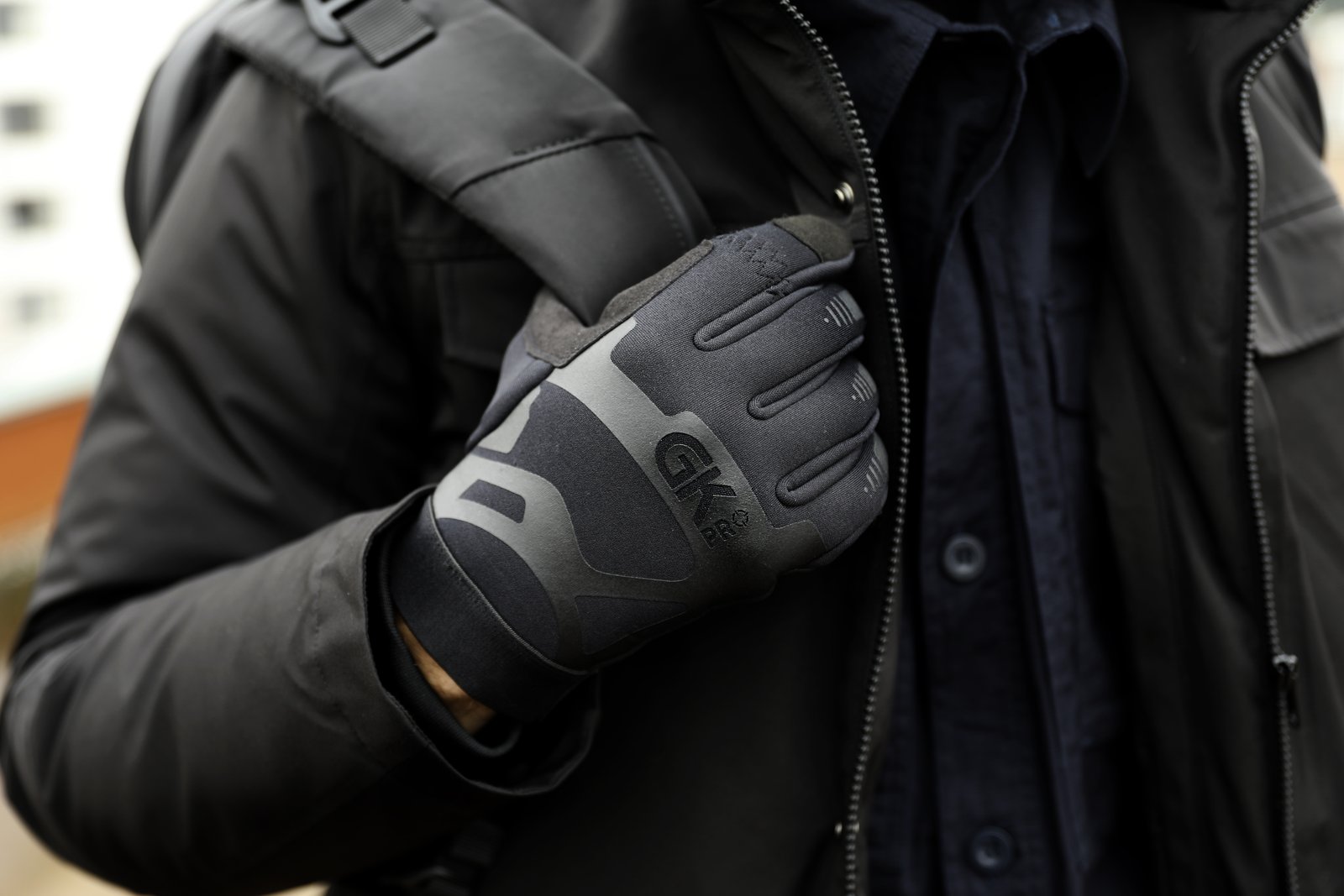
A visible feminization of the French Police
Step 1: Access to ranked positions
During the political events of May 1968, one of the demands was for a less violent Police force. To shed this bad reputation, integrating female police officers and highlighting new skills was one solution.
Being honest and fair, showing patience, rigor, perseverance, diplomacy and composure were—and still are—the qualities sought in new recruits. The policing profession was transformed; it became gender-neutral.
Ranked Police positions thus became accessible to women from the 1970s onward. Investigator and Inspector (1972), then commissioner (1974)—careers and levels of hierarchy where gender mixing was made easier by the absence of a specific uniform. All had a "jeans and sneakers" style, a concealed-carry weapon, and a pair of handcuffs.
All had the same missions: investigating, tailing, searching, arresting, questioning and gathering information. Commissioners, for their part, had a supervisory and management role. However, it was not until 1992 that quotas—a principle that discriminated against women—came to an end. Then, in 1995, they gained access to command positions with the merger of inspectors and peace officers.
As a result, the national police service found itself in an atypical situation. The middle and senior levels of the hierarchy were feminized even before the junior positions (patrol officers).
Final step: Women in uniform and armed
After a long fight, it was in 1978 that female police officers finally obtained full civil servant status. They could follow the same training and were granted the same judicial authorizations and the same weapons as their male counterparts.
In the field, female patrol officers are armed and wear the regulation uniform:
- Jacket and parka
- Matte or satin-finish trousers
- Sweater, shirt or T-shirt, short or long sleeves
- Cap and helmet, which must feature a specific reflective band.
Their uniform and equipment were often ill-suited to their body shape, such as the ballistic vest, initially designed for men. Faced with a growing number of women in Police services in France, manufacturers are designing more and more products intended for them.
Every year, new items are offered to women, such as the FDO trousers at GK. They now have a suitable uniform to carry out their job with greater comfort and safety.
With patience and determination, women have managed to fight prejudice and build careers in the Police. Today, according to INSEE, women make up 21% of the workforce; there is still a way to go to reach 50%. There is no doubt that it won't take them half a century to get there…
Becoming a female police officer: what path to a career in the Police in France?
How do you become a female police officer?
Becoming a police officer can be an exciting and rewarding career for women who want to make a difference in their community. Despite certain challenges, more and more women are choosing a career in policing. In France, women must meet the same requirements as men to become police officers. Women follow the same training and the same recruitment path as men.
This includes a minimum level of education, physical and mental skills, as well as a commitment to public safety. It is also important to understand that policing is a demanding profession that requires a long-term commitment.
Once recruited into the police, new female officers undergo academy training that can last from a few months to a year. This training covers subjects such as the law, investigation techniques, emergency situation management and communication with the public.
What studies do you need to become a female police officer?
After initial training, female officers undergo continuous training throughout their career to stay up to date on the latest techniques and practices.
In short, becoming a police officer can be a rewarding career choice for women. It requires a commitment to public safety, physical and mental skills, and appropriate education. Women can bring unique advantages to the police, but must be ready to overcome certain obstacles. With determination and commitment to their goal, women can become police officers and make a positive difference in their community.
Would you like to learn more about careers as a police officer, gendarme or firefighter? Check out the "get involved" section of the GK blog!
GK supports you throughout your career
At GK, we are committed to designing police uniforms that keep law enforcement safe; whether you are a male or female police officer, our collections adapt to everyone's specific needs for guaranteed day-to-day performance and safety.

Fleece jacket

Municipal Police puffer jacket

Municipal Police parka

Windbreaker jacket

Rain trousers
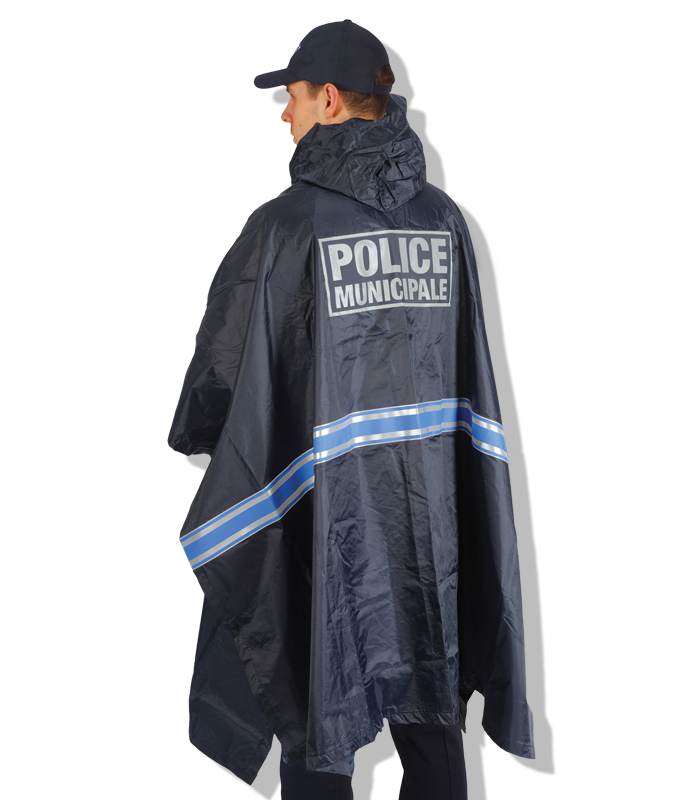
Municipal Police poncho

Summer motorcycle jacket

Municipal Police motorcycle jacket